
Irritable Bowel Syndrome
A common, long-term disorder of how the gut functions, causing abdominal pain, bloating and changes in bowel habit, without visible damage to the bowel.
What is Irritable Bowel Syndrome?
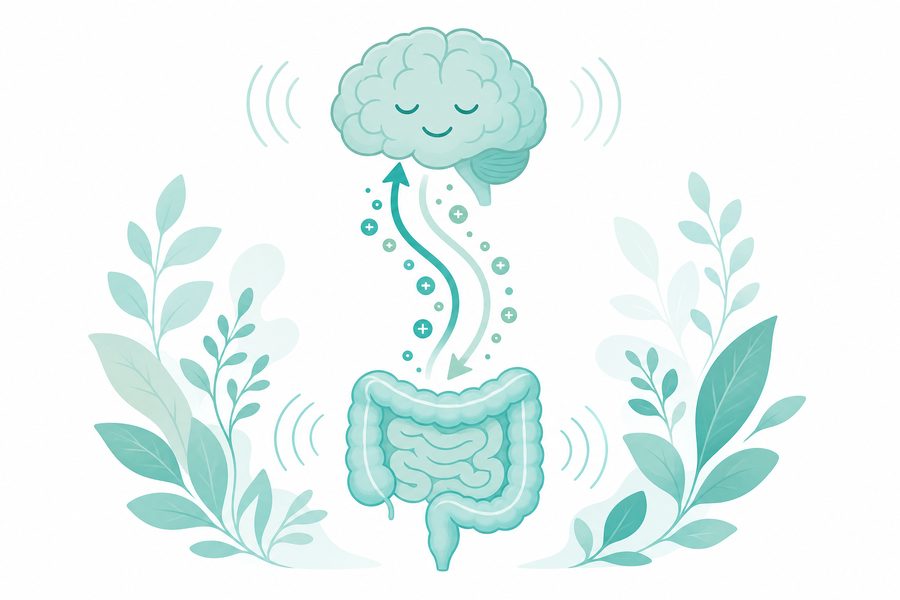
Irritable bowel syndrome (IBS) is one of the most common digestive conditions. It is a functional disorder, which means the gut doesn't work as it should even though it looks normal and isn't damaged. This is what sets it apart from inflammatory bowel disease.
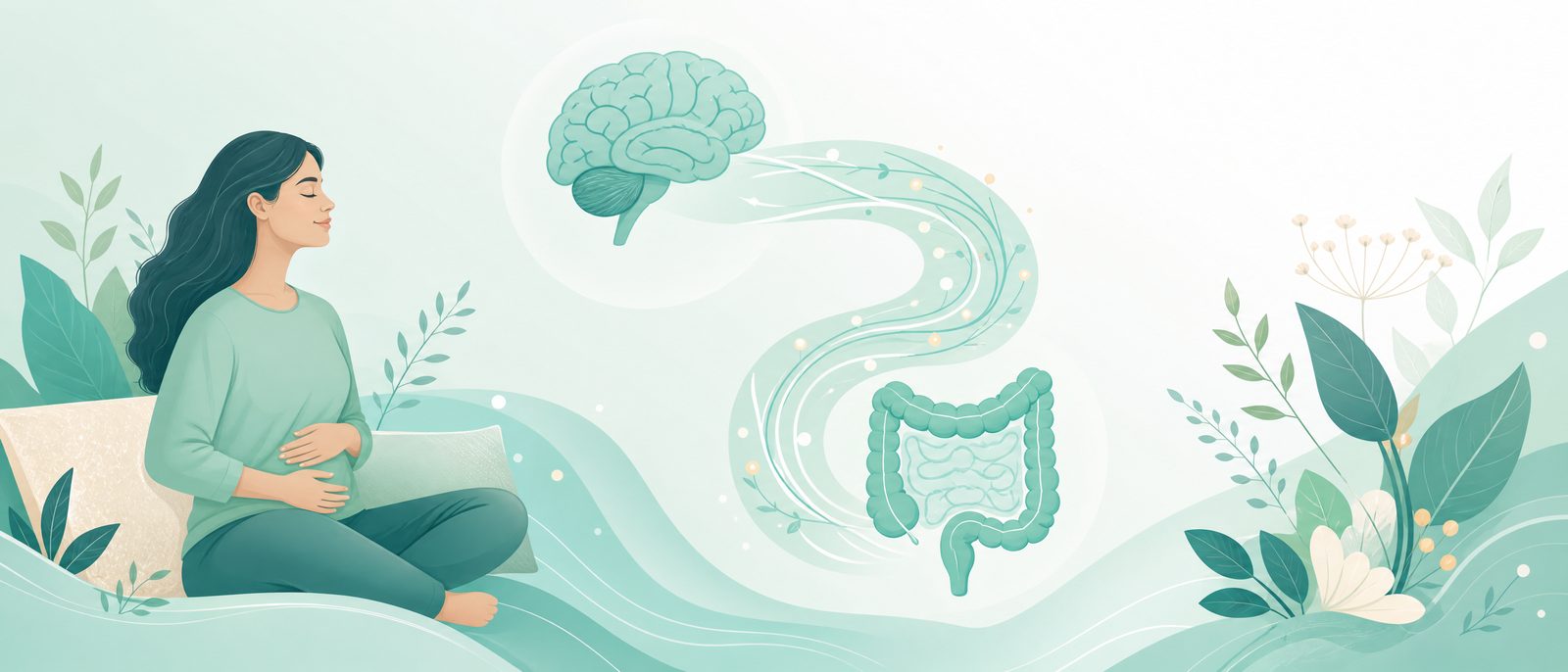
IBS is closely linked to how the gut and the brain communicate; this is often referred to as the gut-brain axis. It can be uncomfortable and disruptive, but it does not damage the bowel or raise the risk of bowel cancer.
Key fact: IBS is a functional disorder — the gut looks normal but doesn't work as it should. It is closely linked to the gut-brain axis.
Subtypes
IBS is grouped by the main change in bowel habit, which helps guide treatment:
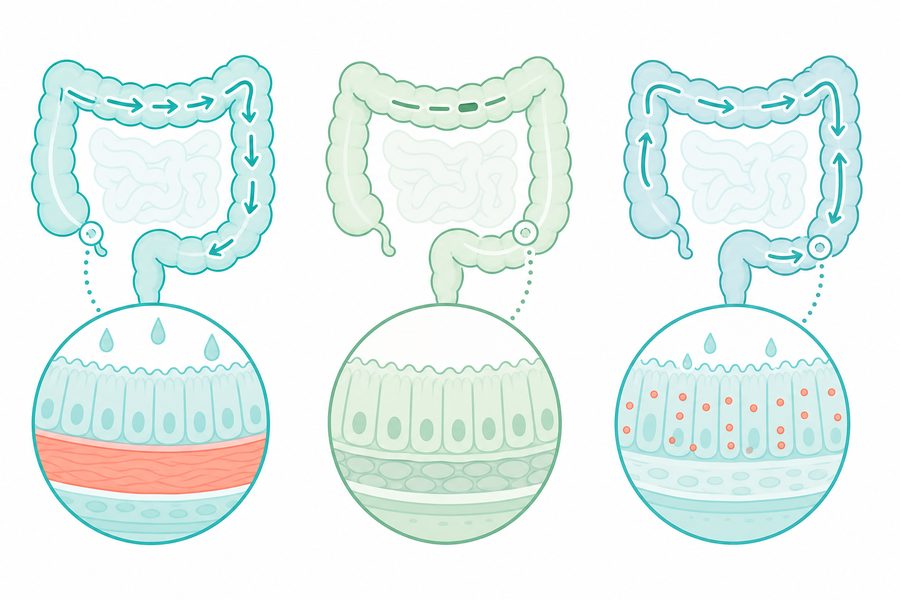
IBS-D
Loose or frequent stools are the main problem
IBS-C
Infrequent, hard or difficult-to-pass stools
IBS-M
Alternating between diarrhoea and constipation over time
Many people move between subtypes over time.
Symptoms
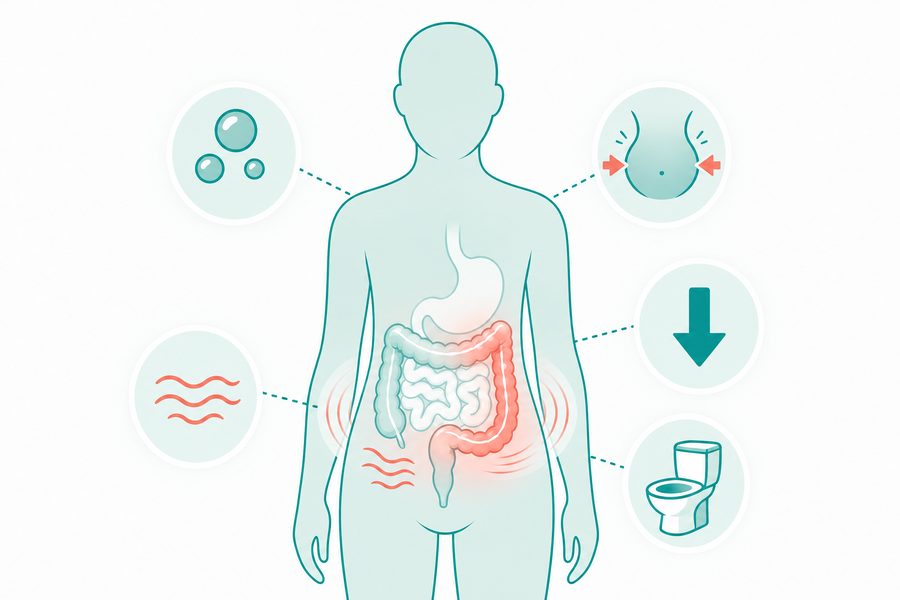
- Abdominal pain or cramping, often relieved by passing a stool
- Bloating and a swollen tummy
- Diarrhoea, constipation, or both at different times
- Excess wind
- A feeling of not having fully emptied the bowel
- Mucus in the stool
When to get checked: Some symptoms are not typical of IBS and should always be checked by a doctor: blood in the stool, unexplained weight loss, a persistent change in bowel habit over the age of 50, or symptoms that wake you at night.
Causes & triggers
There is no single cause. IBS is thought to involve a sensitive gut, changes in how quickly the bowel moves, and altered gut-brain signalling. Common triggers that can worsen symptoms include:
Diet
Certain foods, including some high in fermentable carbohydrates (FODMAPs)
Stress and anxiety
Through the gut-brain connection, stress can directly worsen symptoms
Previous gastroenteritis
A bout of food poisoning or stomach bug can trigger post-infectious IBS
Hormonal changes
Such as around the menstrual cycle, which may explain higher prevalence in women
Diagnosis
IBS is usually diagnosed from the typical pattern of symptoms (often using the Rome criteria) once other conditions have been ruled out.
A doctor may arrange:
- Blood tests to check for anaemia and inflammation
- A coeliac disease test
- A stool test for faecal calprotectin to help exclude inflammation or infection
Important: IBS is a diagnosis of exclusion — tests are done to rule out other conditions rather than to confirm IBS itself.
Treatment & management
IBS cannot be cured, but symptoms can usually be well controlled with a combination of approaches tailored to the individual:

Diet and lifestyle
Regular meals, adjusting fibre, and limiting caffeine and alcohol; a dietitian-supervised low-FODMAP diet helps many people
Medicines
Antispasmodics for pain, laxatives for constipation, or anti-diarrhoeals for loose stools
Probiotics
Worth a trial for some people to help balance gut bacteria
Psychological therapies
Cognitive behavioural therapy (CBT) or gut-directed hypnotherapy can be very effective
Living with IBS

Identifying your personal triggers, often with a food and symptom diary, managing stress, staying active and keeping a regular routine can all make a big difference.
IBS tends to come and go, but most people find a management plan that lets them get on with daily life.
Tip: Keeping a food and symptom diary for a few weeks can help you and your healthcare team identify patterns and triggers specific to you.
References & further reading
- NHS. Irritable bowel syndrome (IBS). nhs.uk
- NICE CG61. Irritable bowel syndrome in adults. nice.org.uk
- Guts UK Charity. gutscharity.org.uk
- The IBS Network. theibsnetwork.org
This page is for general information and does not replace advice from your doctor or specialist team.
Latest articles on Irritable Bowel Syndrome
Explore related conditions
Learn more about IBD and other related conditions